Understanding Yala National Park by season with a wildlife guide based on 35+ years of ranger experience, enhanced with safari guide insight

” All information in this article is based on direct explanations provided by Mr.Sujeewa Nishantha Rosan, a senior Wildlife Ranger with over three decades of field experience and currently serving at Yala National Park. The observations described here are not theoretical or copied from travel websites; they come from long-term, daily experience inside the park, combined with practical safari knowledge.”
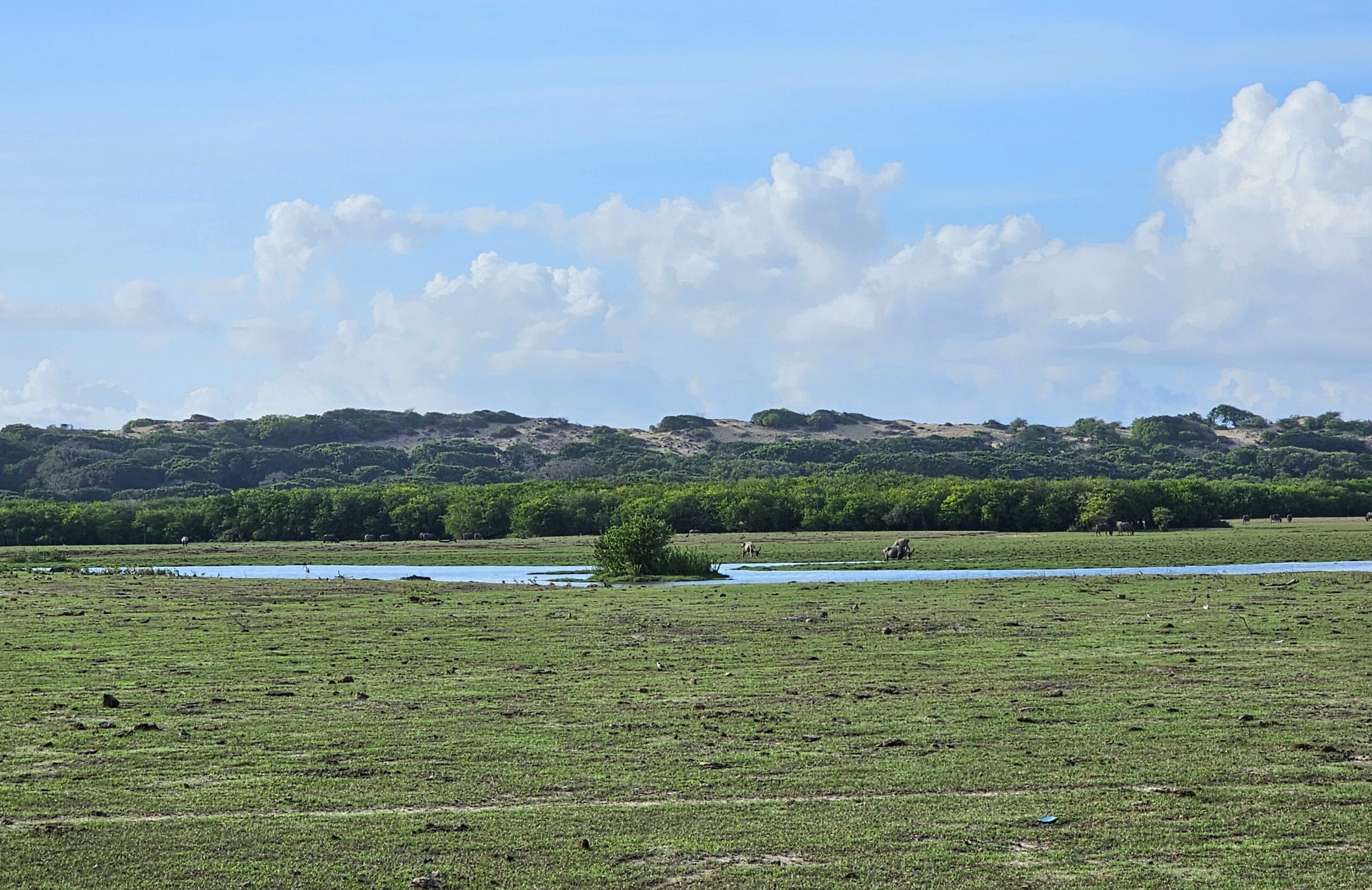
This guide focuses on understanding Yala National Park by season, explaining how wildlife behavior changes throughout the year.
January to March – The Golden Wildlife Season of Yala
January, February, and March are widely considered the most balanced and rewarding months to visit Yala National Park. During this period, the park experiences stable weather conditions with no extreme rainfall or severe drought, which creates ideal circumstances for both animals and visitors. January is relatively cool compared to other months, while February and March gradually become warmer, with March being slightly hot. Mornings are usually cool and pleasant, midday temperatures rise, and evenings become cooler again, creating a full daily temperature cycle that encourages animal movement throughout the day.
Because water and food sources are well distributed and visibility is high, wildlife activity during this period is strong. Leopards, elephants, sloth bears, deer, wild boar, and many bird species can be seen moving naturally across open areas. For photographers and first-time visitors, these months offer the highest overall success rate for general wildlife sightings.
Elephants become particularly active during January. After the monsoon season ends, ground conditions improve and heavy mud reduces significantly. Fresh green grass begins to grow across the park, especially in open plains, and elephants are strongly attracted to this new growth. As a result, elephant herds can be seen grazing calmly in open areas, often during daylight hours, making January one of the best months for elephant viewing.
End of April to June – The Palu Fruit and Sloth Bear Season of Yala
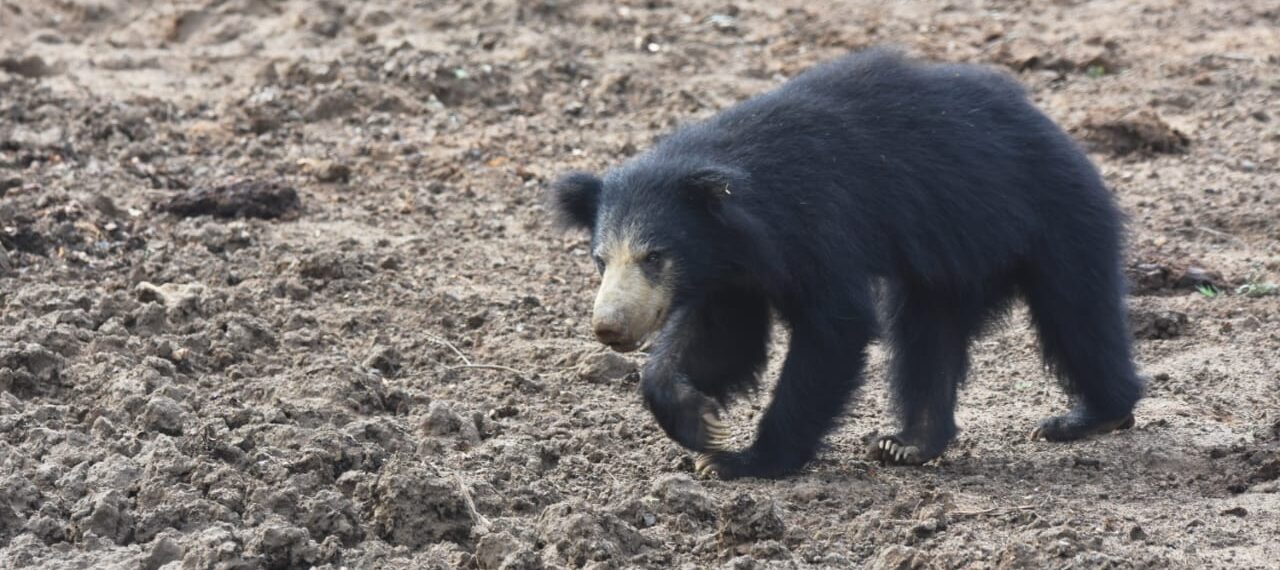
From the end of April through May and into June, Yala enters the Palu fruit season, locally known as the “පලු කාලේ.” This natural event plays a major role in sloth bear behavior. During this time, sloth bears actively search for Palu trees and can often be seen climbing them or feeding on fallen fruit. For visitors specifically interested in sloth bear sightings, this season holds special importance.
However, this period is also one of the hottest times of the year. Temperatures during April and May can be very high, which significantly affects animal movement. To avoid heat stress, most animals reduce their daytime activity and become active mainly during early morning and late evening hours. Midday safaris during this season are usually quiet, not because animals are absent, but because they are resting in shaded forest areas to conserve energy.
From a safari planning perspective, early morning and late evening drives are strongly recommended during this season, as they align better with natural animal behavior.
June to August – The Pilgrimage Shift and Wildlife Redistribution Season of Yala
Between June and August, Yala National Park experiences a unique human-wildlife interaction period due to the Kataragama Perahera. During this time, thousands of devotees walk across the park from Warahana to Katagamuwa in a traditional pilgrimage known as the Pada Yathra (පාද යාත්රා). In addition to pedestrians, support vehicles frequently travel this route to assist pilgrims.
Under normal conditions, the Warahana area is one of the most famous locations for leopard sightings. However, during the pilgrimage season, continuous human movement and vehicle activity disturb the natural calm of this region. As a result, leopards and other wildlife temporarily shift their territories away from Warahana to quieter zones.
Experienced rangers and guides observe that during this period, animal activity increases around alternative areas such as Dharshana Lake and the Modaragala region. Visitors who understand this seasonal shift and plan their safari routes accordingly often still enjoy excellent sightings, while those who focus only on traditional hotspots may feel disappointed.
August to September and Early October – The Drought and Waterhole Concentration Season of Yala
From August through September and into early October, Yala typically enters a strong drought phase. Water sources begin to shrink, and the remaining lakes and waterholes become critical gathering points for wildlife. This period is especially favorable for observing animals that depend heavily on water.
Crocodiles are commonly seen during this season, often resting in visible clusters within shrinking lakes. In the evenings, animals such as leopards, elephants, and sloth bears travel longer distances to reach waterholes, increasing the chances of sightings near these locations. This concentration of wildlife around limited water sources creates dramatic and natural wildlife scenes, particularly during late afternoon safaris.
Birdlife also becomes highly active during this drought period. Carnivorous birds benefit from reduced water levels because fish become easier to catch. Painted storks, Asian openbills, and pelicans are frequently observed feeding in shallow waters, making this season particularly attractive for bird watchers and photographers.
Mid-October – The Transition Rain and Freshwater Expansion Season of Yala
Rain usually begins around mid-October, marking a major transition in animal movement patterns. As rain falls, natural rock pools and forest water pits start to fill with fresh water. These newly formed water sources are cleaner and safer than older, muddy lakes, encouraging animals to spread out deeper into the forest.
As a result, wildlife sightings around traditional lakes and open areas may decrease, not because animals have left the park, but because they no longer need to gather at predictable water points. Movement becomes more scattered, and animals feel more secure within the forest interior, where fresh water is readily available.
November to December – The Monsoon and Low-Visibility Wildlife Season of Yala
November and December are dominated by heavy rainfall, which significantly changes both terrain and animal behavior. Elephants are less frequently seen during this time because they dislike walking long distances through deep mud. Prolonged movement in muddy conditions can cause mud to enter their nails, leading to injuries and discomfort. To avoid this, elephants move towards higher ground and coastal areas where the soil is firmer.
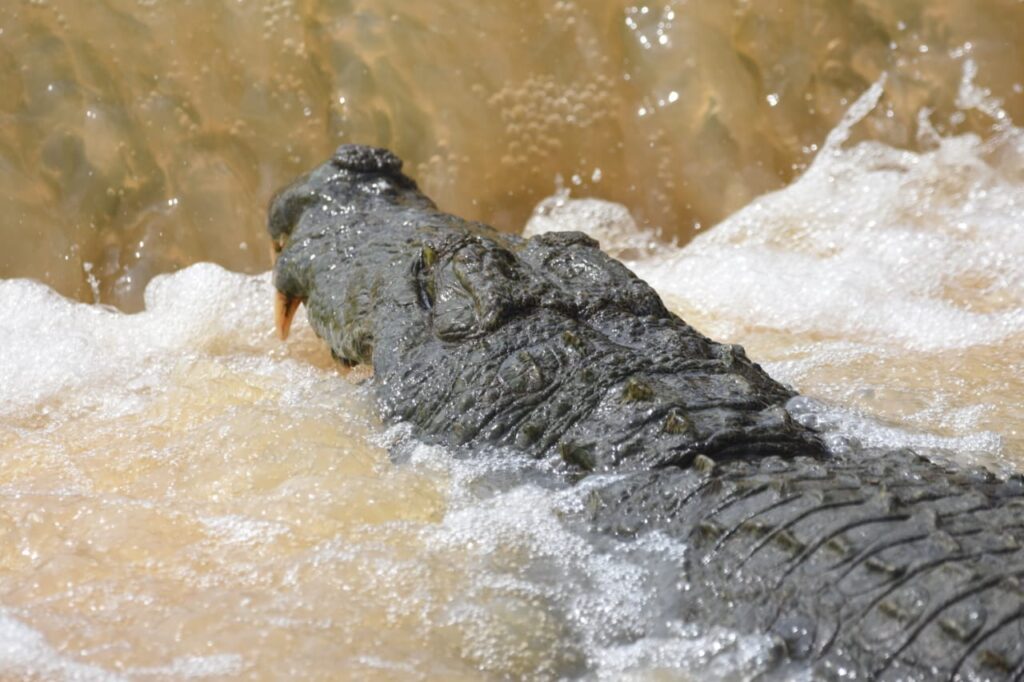
As rainfall continues, lakes and reservoirs begin to overflow, and water spills into surrounding low-lying areas. During these conditions, crocodiles become more visible as they move with rising water levels. At the same time, heavy rain soaks termite mounds, making them easier for sloth bears to break open. Sloth bears occasionally take advantage of these conditions to feed on termites, and although such sightings are rare, they are among the most special and memorable moments during the rainy season.
Leopard sightings also decrease during the monsoon season. Leopards, much like domestic cats, dislike wet conditions and tend to avoid rain. During this period, they often shelter in rock caves and elevated rocky areas. However, on rare dry days between long rain spells, leopards may emerge from cover, climb rocks, and sunbathe. On these days, animal movement across the park can suddenly increase, creating unexpected and rewarding safari experiences.
The Full Moon Effect on Leopard Behavior
Full moon (Poya) days have a noticeable effect on leopard behavior in Yala National Park. On these nights, increased moonlight allows leopards to hunt more effectively, leading to higher levels of nighttime activity. Because of this increased night movement, leopards tend to rest more during the daytime on full moon days. As a result, daytime leopard sightings are generally lower during full moon periods, even though leopard presence in the park remains unchanged.
Final Thought for Visitors
By understanding Yala National Park by season, visitors can plan safaris based on animal movement, weather, and visibility. Yala National Park does not offer the same experience every month. Wildlife behavior changes continuously in response to rain, heat, human activity, and natural food availability. The best time to visit Yala depends not only on the calendar but also on what you hope to see and how well you understand these seasonal patterns.
According to the Department of Wildlife Conservation Sri Lanka, Yala National Park is one of the most important wildlife reserves in the country.
You can explore more seasonal insights in our Yala Safari Guide.
https://yalasusafari.com/category/yala-national-park-safari-guide
Great content! Keep up the good work!
Thank you